

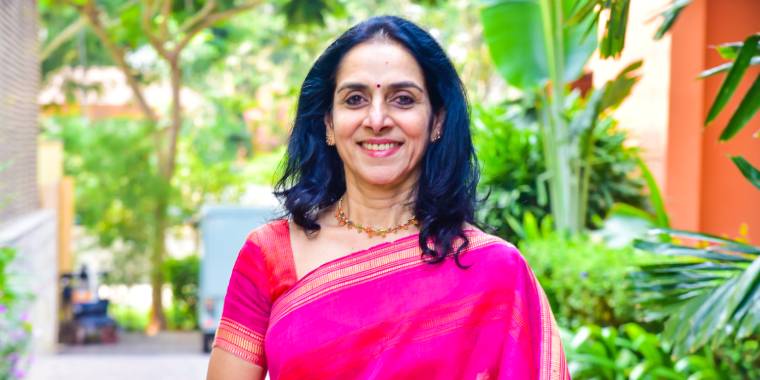
Dr Prathima Kini, Lifestyle Medicine Physician, Pathologist, and Co-Chairperson of the Physicians Association for Nutrition (PAN) India, Bengaluru City Chapter, explains that soy has the potential to bridge India’s growing nutrition gap
Soy is one of the richest sources of plant protein available in India and can play a key role in fulfilling the nutritional requirements of the large population. It is not only a rich source of protein but also contains fibre, calcium, iron, and healthy fats. Unlike eggs, soy does not have any cholesterol. These properties of soy make it very beneficial in meeting the nutrition requirements for those suffering from diabetes, heart disease, obesity, or other illnesses.
Soy also helps women and children by preventing anaemia and strengthening bones. Research worldwide has shown soy is completely safe and, in fact, supports long-term health. There is no scientific basis for any myths surrounding soy and in a country like India, where the nutrition gap is huge; soy is an opportunity for better health.
Soy is one of the richest plant proteins available. Nearly 40 percent of the bean is protein. Unlike eggs, it also comes with fibre, healthy fats, calcium, and iron. For someone recovering from surgery or illness, this combination is excellent. You are not just giving protein; you are also giving nutrients that help heal faster and keep the heart healthy.
Soy is a “complete protein,” meaning it has all the amino acids that the body needs. People often think plant proteins are second grade, but soy is different. Its quality and digestibility are very close to eggs, and its added advantage is that it has no cholesterol and very little fat. For patients with diabetes, heart disease, or obesity, which make up a large section of our hospitals, soy is actually the safer choice.
In many countries, soy is a regular part of meals. These include Japan, China, and even the US, where it is used regularly. People there live longer, with lower heart disease rates. We should not think of soy as alien to our diet.
Moreover, soy chunks are cheap, store well, and can be added easily to Indian meals. An egg gives about 6 grams of protein, but a small serving of soy chunks gives nearly double of it. And because they also provide fibre, they support digestion and gut health, something eggs cannot do.
In our daily practice, we see a lot of women struggling with anaemia and weak bones. Soy naturally provides iron and calcium, and helps prevent anaemia while also supporting bone strength. For women, especially those who cannot afford expensive supplements, this is a simple and safe nutrition option.
There is a myth that soy is harmful, especially for men, because of hormones. But that is not true. Large studies have shown soy is completely safe. In fact, it may even lower the risk of certain cancers and improve bone health.
For women and children, soy is especially useful. It has iron and calcium, which help prevent anaemia and strengthen bones.
